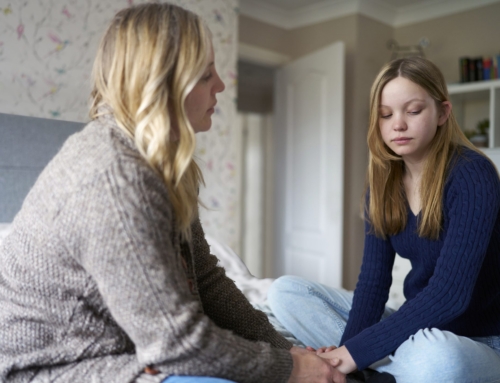
Alcohol Use in Teenagers
June 9, 2025

Tips Your Teen May Be Drinking Too Much
If you’re worried that your impressionable child is experimenting with or struggling with alcohol, you’re not alone. Unfortunately, there’s a good chance that you’re right. According to one study from 2023, the National Institute on Alcohol Abuse and Alcoholism (NIAAA) reports roughly 19% of teens have at least one drink by age 15.
Many parents face these concerns and aren’t sure when normal curiosity crosses into risky behavior. The fact that you’re paying attention and looking for answers means you’re already doing something right.
Underage drinking is at epidemic levels
Most parents are surprised to learn just how early alcohol use can begin. Underage drinking in the US is an epidemic. Moreover, early alcohol use in teens increases the risk of developing an alcohol use disorder (AUD) later in life.
Teens are especially vulnerable to alcohol’s effects because their brains are still developing. AUD can interfere with judgement and memory, potentially impacting academic performance and long-term mental health.
Peer pressure, stress, family dynamics and media portrayals of drinking can contribute to curious teens experimenting with alcohol. It’s largely up to parents, teachers and caregivers to identify when casual drinking progresses into an unmanageable habit.
Tip-offs your teen may be drinking too much
AUD isn’t just about how much a teen drinks; it’s about how drinking affects their behavior and lives. According to alcohol use research, roughly 5.6 million youths aged 12-17 reported that they drank alcohol at some point in their lifetime.
Drinking alcohol regularly, however, can affect memory, mood, academics and social life, just to name a few. People who misuse alcohol have a greater risk of liver disease, heart disease, depression, stroke and stomach bleeding. According to the National Institutes of Health, alcohol addiction may also lead to cancers of the mouth, esophagus, larynx, pharynx, liver and colon.
Signs your child may be drinking too much include:
- Changes in behavior like secretiveness and sudden defiance
- Declining grades and loss of interest in school or extracurriculars
- New friend groups that’s accompanied by social isolation
- Physical signs like slurred speech and clumsy coordination
- Mood swings with depression and irritability that worsen over time
- Lying about their location and staying out late without explanations
- Missing liquor bottles at home or finding alcohol in their room or backpack
If you’re seeing a combination of these signs, it’s time to seek professional support.
Coping skills for teens and parents
When alcohol abuse is a concern, teens and parents need soothing strategies to handle the bad behavior itself, and also to dig into the emotions and causes behind it.
For teens
- Learn to manage stress without drugs or alcohol. Learn about mindfulness, journaling, regular physical activity and creative outlets.
- Practice healthy peer relationships that support sobriety and personal growth.
- Tap into family therapy, support groups, school counselors and other resources.
For parents and caregivers
- Open the door to honest conversation. Let your teen know they can talk to you without fear of punishment.
- Help build refusal skills. Role-play scenarios where they might be offered alcohol and coach them how to decline confidently.
- Model more responsible habits at home to send a powerful message.
Discovering or suspecting that your teen may be abusing alcohol can be frightening but intervention can change everything.
Willow Springs Center in Reno, Nevada
Contact us to discover how Willow Springs Center in Nevada can help your adolescent or teen cope with substance use, mental health programming and inpatient services. Call the assessment and referral department at 775-858-3303.