Is Teen Insomnia Disorder Serious?
September 1, 2025

Chronic Sleep Deprivation Can Impact Mental Health and Mood
Sleep is important for everyone and for teenagers it’s essential. Adolescents are in a period of rapid physical, emotional and cognitive development. Everything is changing and growing all at once, and sleep fuels all of those functions.
Most teens need 8 to 10 hours of sleep each night to function at their best, according to the Centers for Disease Control (CDC).
Restorative sleep also supports the immune system, heart health and brain function. When you sleep, heart rate slows, blood pressure decreases and cells regenerate. Sleeping enough also reduces the type of inflammation that strains the cardiovascular system.
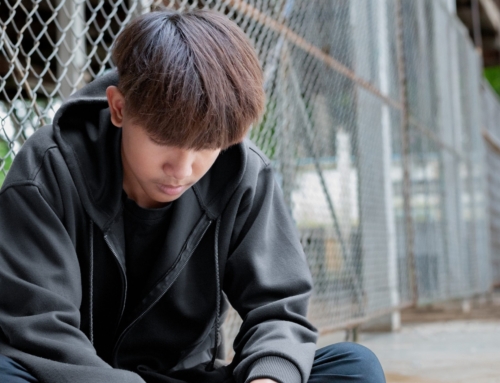
When insomnia becomes a regular part of your teen’s life, it can lead to more than just morning grogginess. It can disrupt nearly every aspect of daily living.
5 Ways Sleep Deprivation Can Affect Teens
1. Behavioral health. Sleep and mental health are deeply connected. Teens who don’t sleep enough are more prone to depression and mood swings. Lack of sleep may also worsen existing mental health conditions.
2. Academics. Poor sleep can affect memory, focus and decision-making. Teens with an insomnia disorder often find it hard to concentrate in class or retain information.
3. Physical health. During sleep, the body repairs itself, regenerating cells and tissue. Without enough rest, teens may experience brain fog, headaches, weight gain or hormonal imbalances. Good sleep also reduces diabetes risk, according to the Sleep Foundation.
4. Risky behavior. Sleep-deprived teens are more likely to engage in impulsive behaviors such as reckless driving, substance use or unprotected sex. Insufficient sleep negatively impacts teen judgment.
5. Social relationships. Insomnia may affect how teens relate to peers and family. Irritability and instability from sleeplessness may strain friendships and home life.

Who’s at risk of teen insomnia disorder?
Insomnia can affect anyone but certain factors may increase the likelihood of developing the disorder in teens:
- High academic pressure. Teens juggling school, sports, jobs and social lives may feel overwhelmed, making it harder to relax and fall asleep.
- Mental health issues. Anxiety, depression and other mental health conditions can interfere with sleep.
- Excessive screen time. Blue light from phones, tablets and computers disrupts the body’s natural sleep-wake cycle. Many teens scroll through social media or play games late into the night, which prolongs sleeplessness.
- Family history. Teens with a family history of sleep disorders may be predisposed.
It’s important not to dismiss a teen’s struggle with sleep. Insomnia is a real disorder and it requires understanding and support. In some cases, cognitive behavioral therapy (CBT), guided relaxation techniques and counseling may be necessary.
Contact Willow Springs Center in Northern Nevada
Call 775-858-3303 or complete the interest form for information. Inpatient and outpatient services at Willow Springs Center in Reno offer therapeutic programs for teens with behavioral issues, anxiety conditions and substance use disorders.
If you believe your teen is experiencing a mental health crisis, call 988 or seek the nearest emergency department. For physical health emergencies, call 911 or go to the nearest emergency room.