Opioid Addiction and Your Family
August 11, 2025
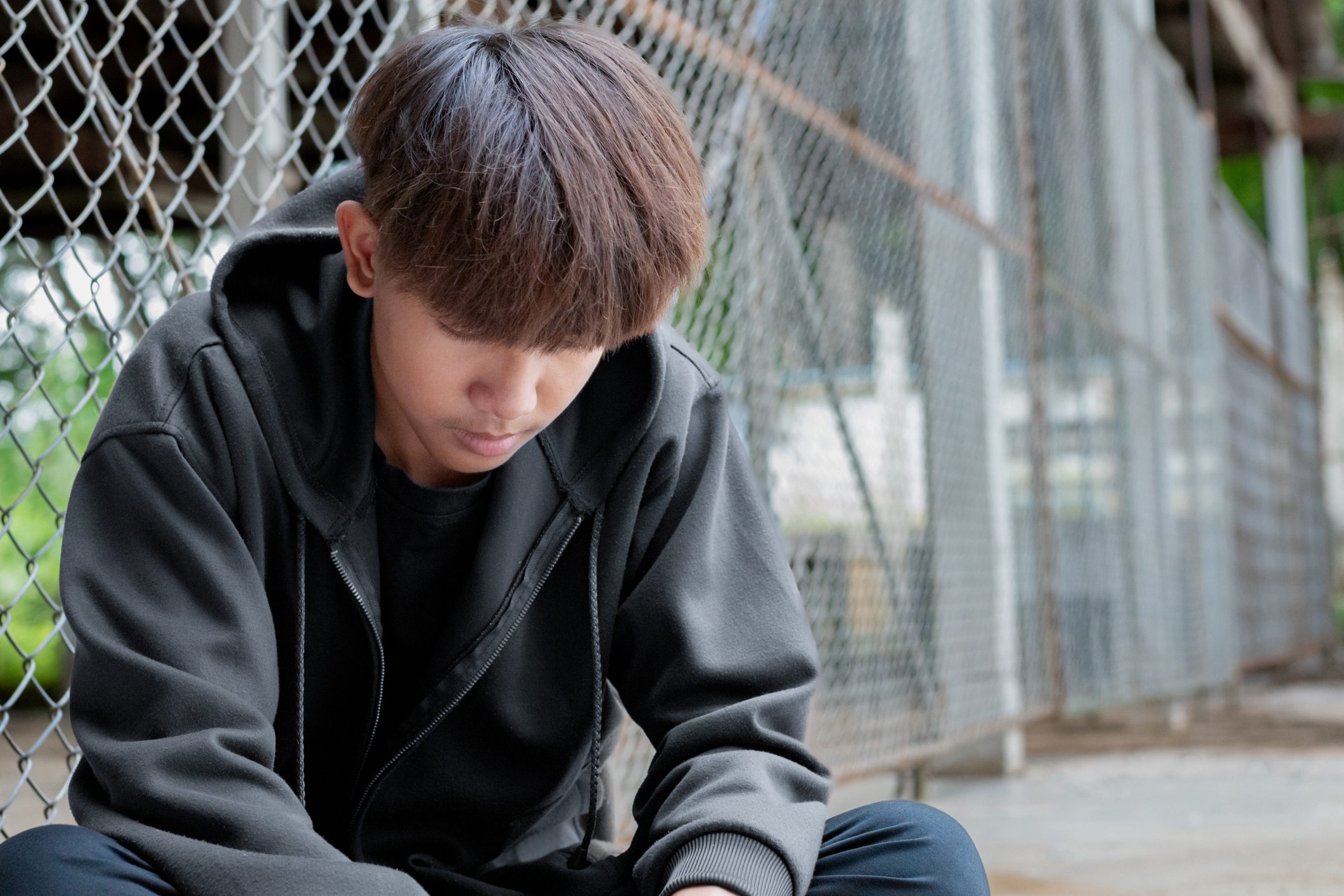
Kids and Teens Especially Vulnerable to Addiction
Opioid abuse has become a public health crisis in America. Many families are feeling the impact firsthand. Whether you’re worried about your teen experimenting with painkillers or you’re already witnessing a loved one spiral into drug use, you’re not alone.
Understanding how opioids work, how substance use develops and what you can do to help are the steps toward healing. In teens, even short-term drug use can lead to addiction and possible overdose.
Young adults are especially vulnerable to addiction due to their developing brains and an age-related tendency toward risk-taking behavior. Tragically, what might begin with casual experimenting with pills can turn into psychological dependence before parents even realize there’s a problem.
What are opioids?
Opioids are a class of drugs that may include legal prescription pain relievers as well as dangerous substances like synthetic fentanyl. Opioids may be prescribed to treat moderate-to-severe chronic pain (often after major injury or surgery) and for severe conditions like cancer.
Opioids can block pain signals to the brain and create a sense of euphoria or even well-being. While effective for short-term pain relief, opioids carry a high risk of dependence and addiction, even when they’re used as prescribed.
Common opioids include:
- Prescription opioids: codeine, morphine, oxycodone (OxyContin, Percocet), hydrocodone (Vicodin)
- Illegal opioids: heroin and fentanyl
Today’s powerful fentanyl, in particular, is extremely potent and increasingly responsible for accidental overdoses, especially when it’s cut with counterfeit chemicals like lidocaine or cocaine.

Opioid addiction signs in teens
Opioid use in teens can be subtle at first but often leads to noticeable personality changes. Don’t wait to reach out for help from a healthcare provider or addiction specialist.
The risk of substance use varies depending on the drug, dosage and duration of use. Some people become dependent on opioids after just a few days. The initial sense of relief or pleasure the patient experiences can quickly lead to cravings and repeated use, even when the original pain is gone.
Signs of opioid use in teens can include:
- Changes in mood or behavior
- Sleep problems or drowsiness
- Missing school or declining grades
- Withdrawal from friends and activities
- Being secretive or lying
- Missing medications from the home

If opioid addiction touches your family
First, substance use is a disease. Blame and shame have no place in recovery. Long-term recovery requires compassionate, evidence-based treatments.
Steps you can take as a parent:
- Get informed. Learn about how opioids affect the brain and body. Knowledge reduces fear and empowers action.
- Talk openly. Approach your teen with empathy, not accusation. Let them know you’re concerned and help is available.
- Seek professional help. Substance use treatment may include detox, medication, counseling and family therapy.
- Secure your home. Lock up medications and safely dispose of unused prescriptions to prevent access.
- Find self support: Substance use impacts the whole family. Parent support groups, therapy and community resources can help you stay strong. Recovery can be possible with early intervention and professional care.
Contact Willow Springs Center in Reno
Call 775-858-3303 or complete the interest form for more information. Residential treatment at Willow Springs Center in Reno, Nevada, offers therapeutic programs for teens with behavioral issues, anxiety conditions and substance use disorders.